How to Choose Sublimation Paper GSM: Ink Load, Speed & Applications
GSM is often one of the first specifications discussed when buying dye-sublimation transfer paper. However, a heavier paper is not automatically a better paper. The right grade must match the printer, ink load, image coverage, production speed, heat-transfer equipment, textile and logistics plan.
Comparing roll prices alone can hide differences in cost per square metre, loading efficiency, production stability and rework. A more reliable approach is to define the operating conditions first and then select the lowest practical GSM that runs consistently.
1. What does GSM tell you?
GSM means grams per square metre. It affects stiffness, web handling, sensitivity to moisture, roll weight and freight efficiency. It does not independently determine coating quality, drying speed or transfer yield.
Two papers with the same GSM can perform differently because of base-paper uniformity, coating formulation and process control. GSM should therefore be evaluated together with coating consistency, drying, cockling under heavy ink, high-speed feeding, colour release and storage conditions.
2. Lightweight paper: efficiency and cost per area
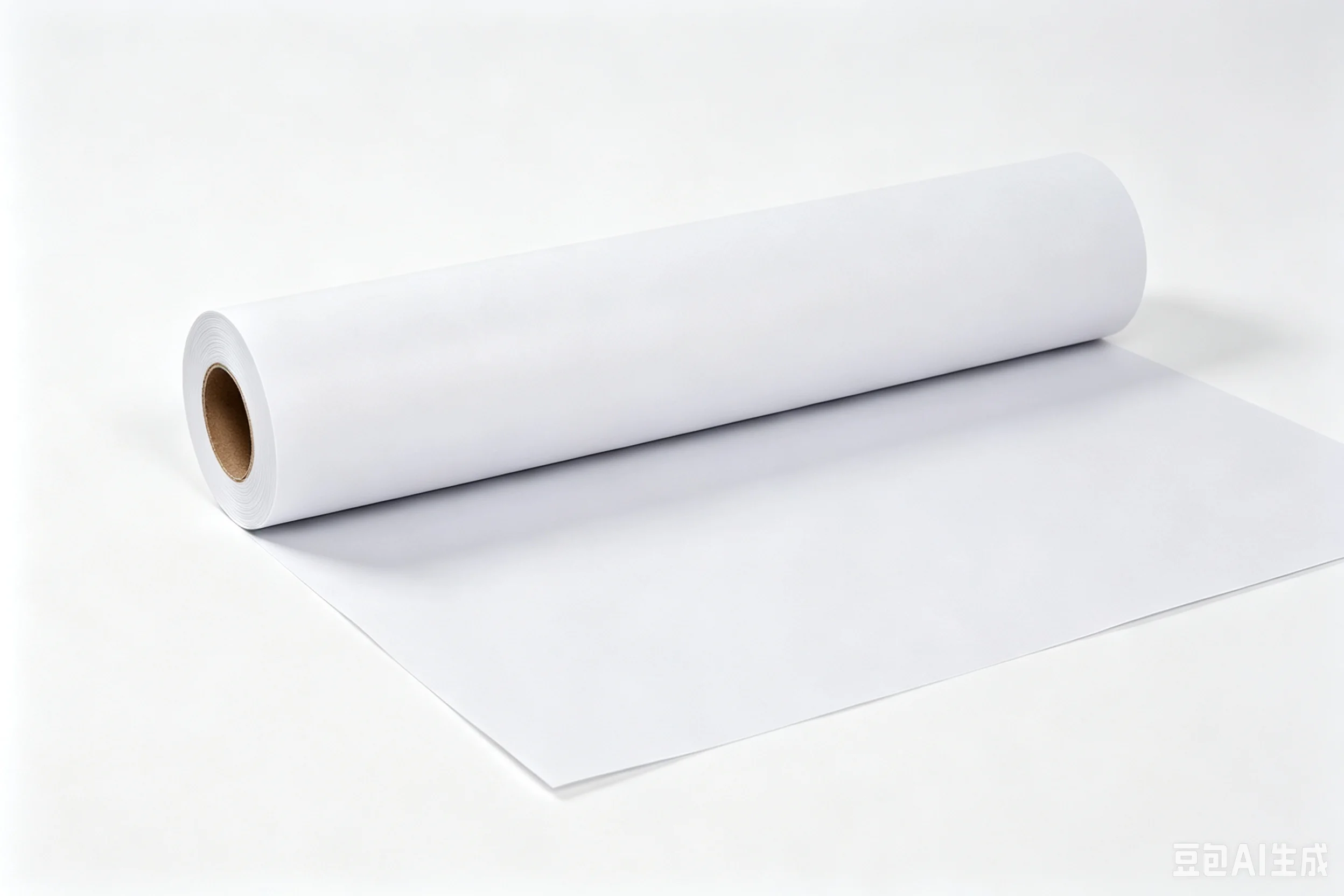
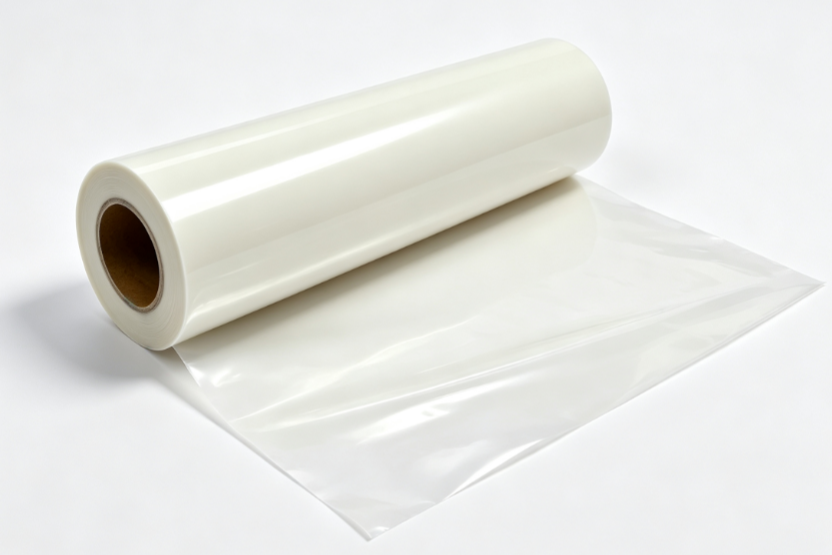
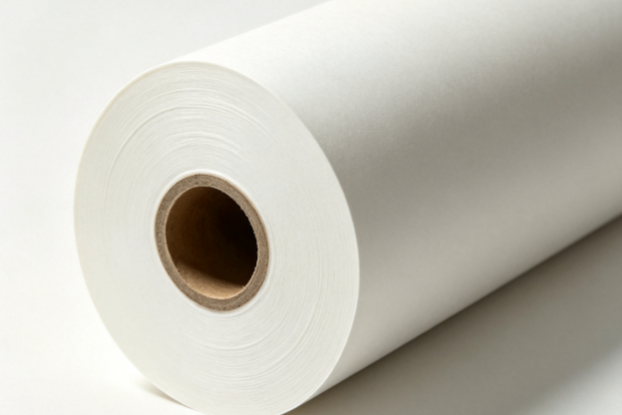
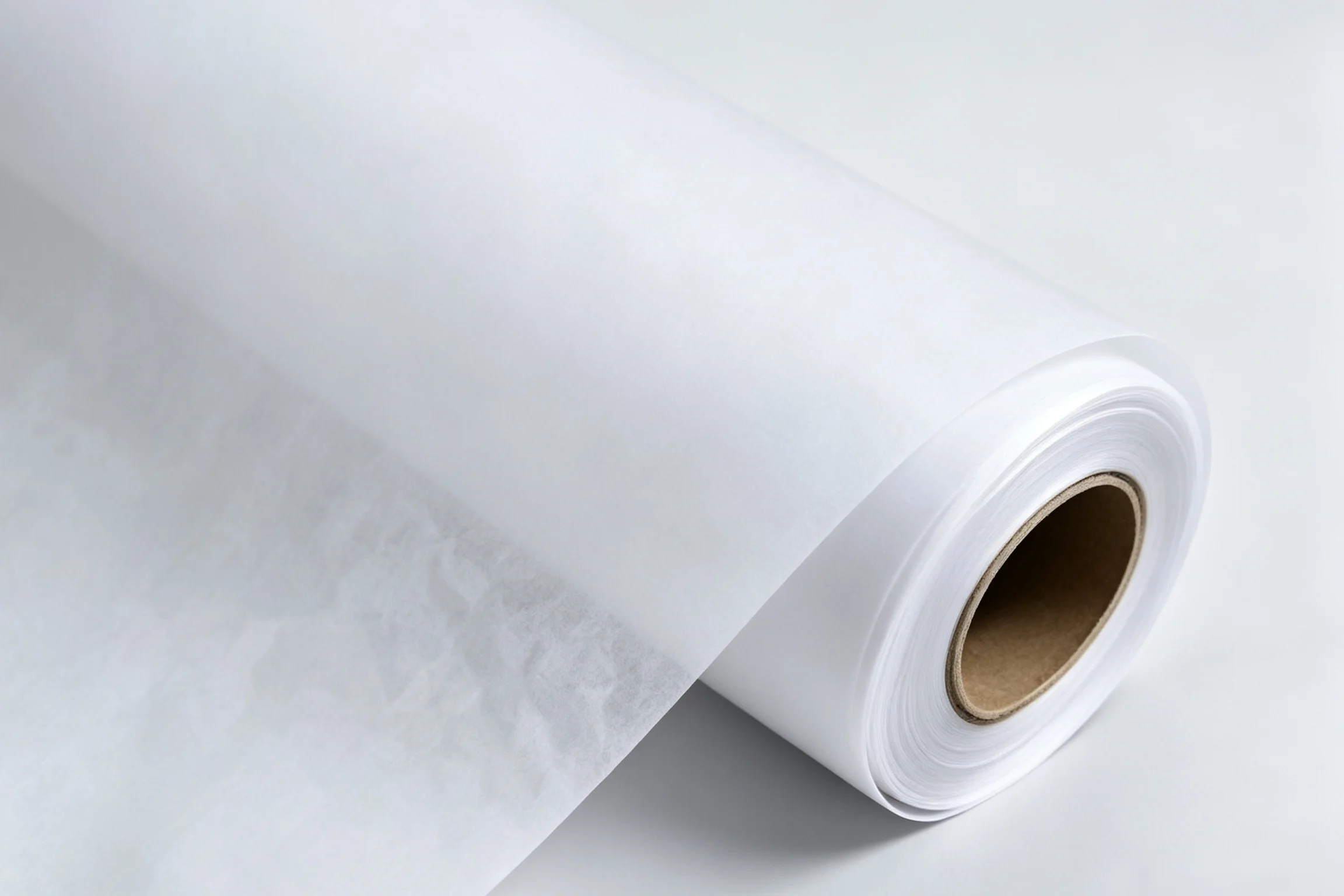
Lightweight sublimation paper is often selected for continuous production, higher speeds and cost-sensitive orders. For a given roll diameter or container volume, it can provide more running length and better square-metre loading efficiency.
Typical applications include sportswear, flags, home textiles and volume polyester production. It works best when ink load is controlled, winding tension is stable and workshop humidity is managed.
Lightweight grades are usually more sensitive to operating conditions. Heavy dark coverage, high humidity, insufficient platen vacuum or unstable take-up tension can increase the risk of cockling, wrinkling or edge curl. A production test using actual artwork is therefore more useful than choosing by GSM or price alone.
3. Medium GSM: a practical balance
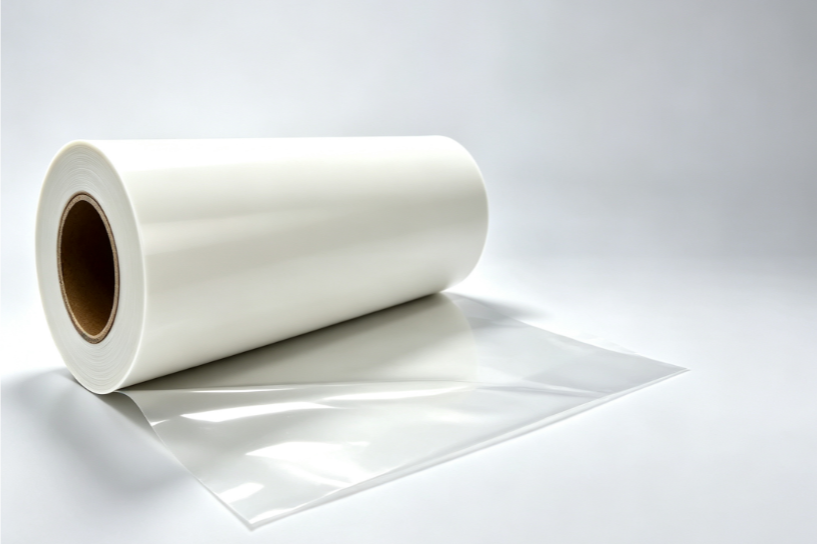
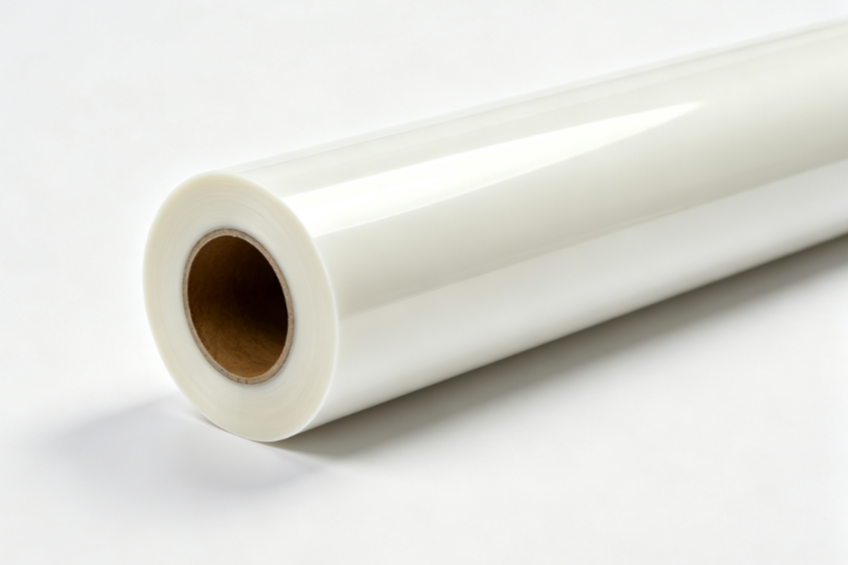
Medium-weight paper offers broad compatibility, balancing operating stability with cost and productivity. It is often a sensible starting point for factories handling varied artwork or seeking one main grade for most orders.
It can cover apparel, home textiles, soft signage, personalised products and general wide-format production. Importers entering a new market may begin with a broadly compatible medium GSM and later add lightweight efficiency grades or heavier stability-focused grades according to customer feedback.
4. Heavier paper: stiffness and handling tolerance
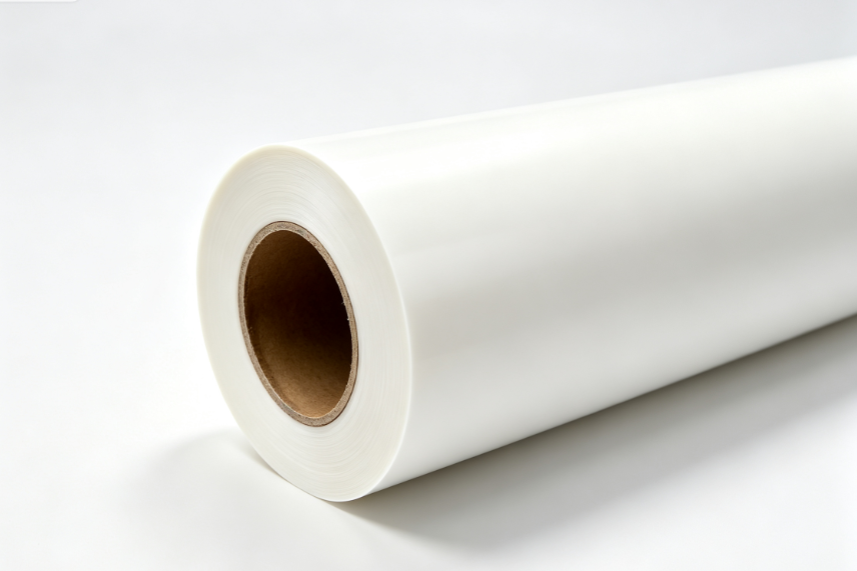
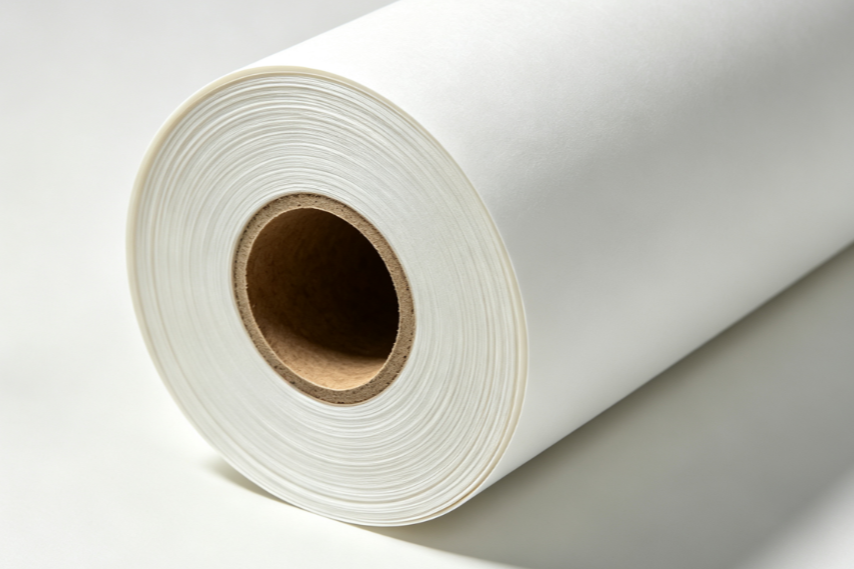
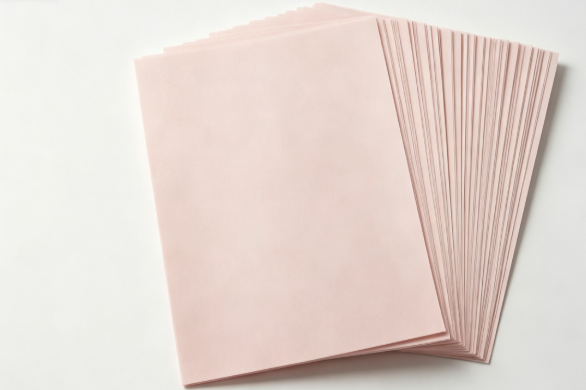
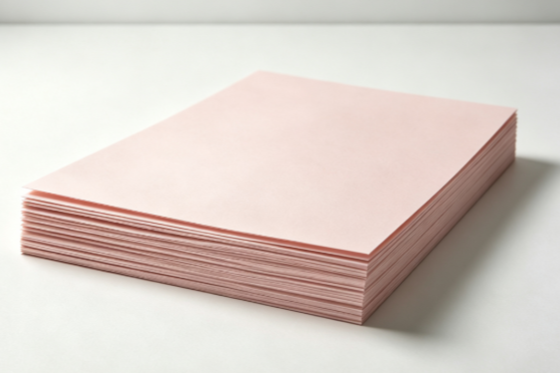
Heavier sublimation paper generally offers more stiffness and can be easier to handle for high ink loads, slower workflows, sheets and short runs. It may also help where flatness is important or printer feeding conditions are less forgiving.
However, heavier paper does not automatically provide a higher transfer rate. It cannot correct an incompatible coating, unsuitable ink, excessive humidity, or uneven heat and pressure. It also increases material weight per square metre and may raise roll and ocean-freight cost.
5. Five questions before choosing
How heavy is the ink coverage? Full dark backgrounds require closer attention to wet-paper flatness, while light designs may prioritise efficiency.
What is the real print speed? High-speed production requires suitable drying, feeding and take-up performance. Test at normal production speed, not only with a small sample.
Which printer and printhead are used? Vacuum, heating, feeding and tension systems differ among machines.
What is the final application? Sportswear, flags, home textiles, soft signage and coated rigid products have different production requirements.
What is the purchasing objective? Lightweight grades may optimise area and freight efficiency; medium or heavier grades may improve universality and handling tolerance.
6. How to run a meaningful sample test
Use at least three files: a light low-ink design, a dark high-coverage design, and a detailed file with fine lines and gradients. Record print speed, ink load, temperature and humidity, drying time, smudging, paper flatness, and transfer temperature, time and pressure.
Evaluate not only colour but also continuous-run stability, winding quality, residual ink, ghosting, colour consistency and the actual cost per usable square metre. Comparisons are meaningful only when test conditions are kept consistent.
7. Advice for importers
Importers do not need to launch too many GSM options at once. Start with one broadly suitable core grade, then add a lightweight efficiency option and a heavier stability option according to local demand. When requesting a quotation, provide width, length, printer, printhead, typical ink coverage, application and estimated monthly consumption.
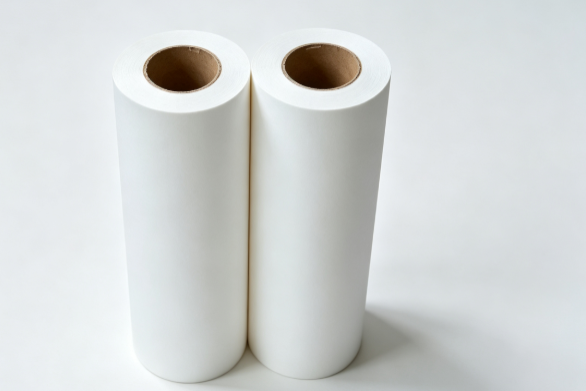
YINMEIDA supplies fast-dry, instant-dry and tacky sublimation transfer paper. Common widths include 0.61, 1.118, 1.52 and 1.62 m, with customised widths up to 3.2 m. Common roll lengths include 100, 300, 500 and 1,000 m. Availability depends on the paper series, quantity and production schedule.
FAQ
Does higher GSM produce brighter colour?
Not necessarily. Colour depends on coating, ink release, profile, temperature, time, pressure and substrate.
Does lightweight paper always wrinkle more easily?
No. A suitable coating, stable tension and controlled humidity can support reliable production, although lightweight paper is generally more sensitive to high humidity and heavy ink.
Is one sample roll enough?
It is useful for screening, but production files, normal speed and continuous printing should be tested before a commercial order.
How can an importer reduce total paper cost?
Calculate cost per square metre, container loading area, waste, rework and productivity instead of comparing roll price only.