The Rise of UV DTF: Expanding Digital Customization from Fabrics to Hard Surfaces
8/18/20262,324 views

What is UV DTF (Crystal Label) Technology?
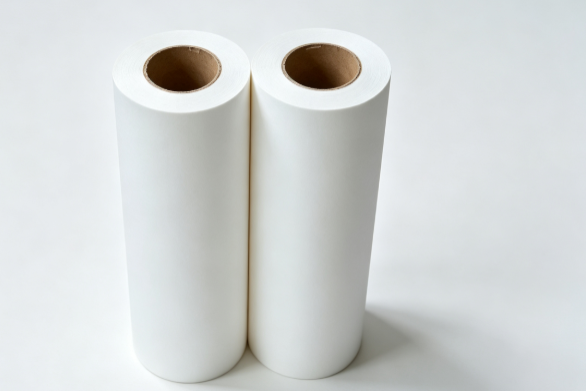
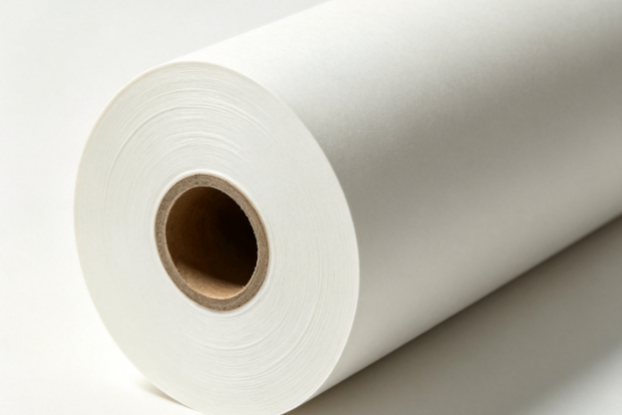
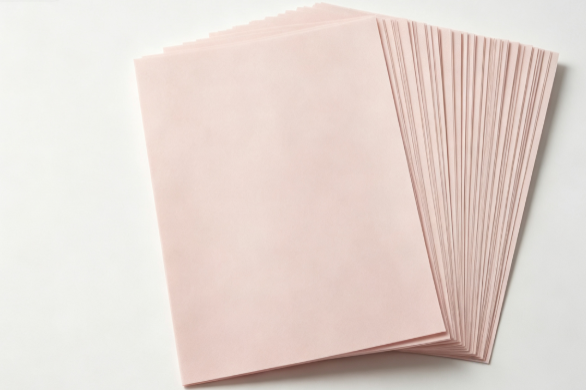
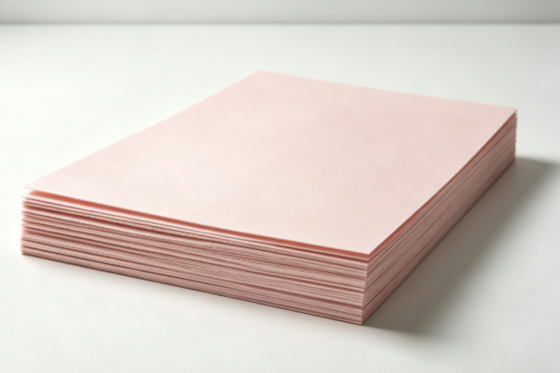
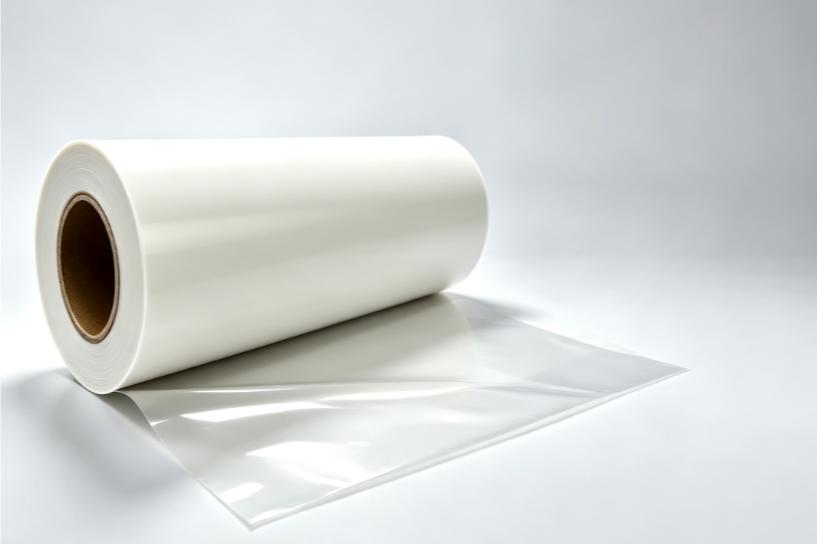
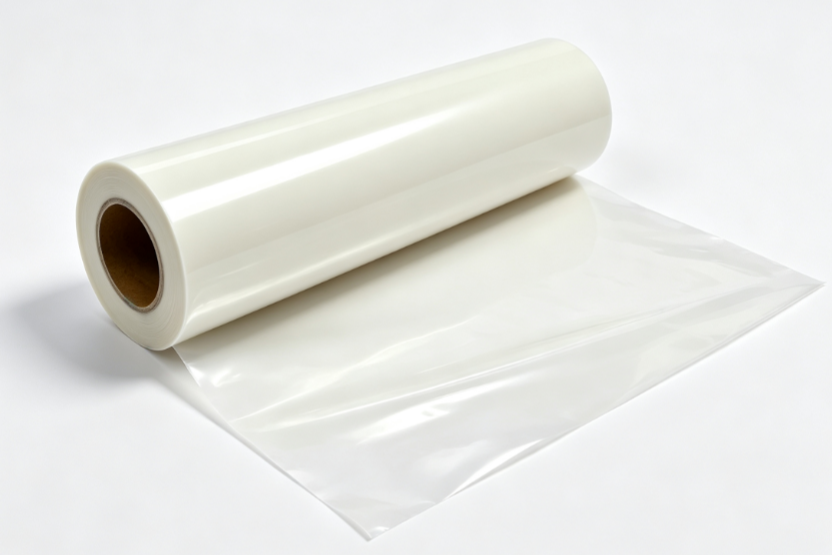
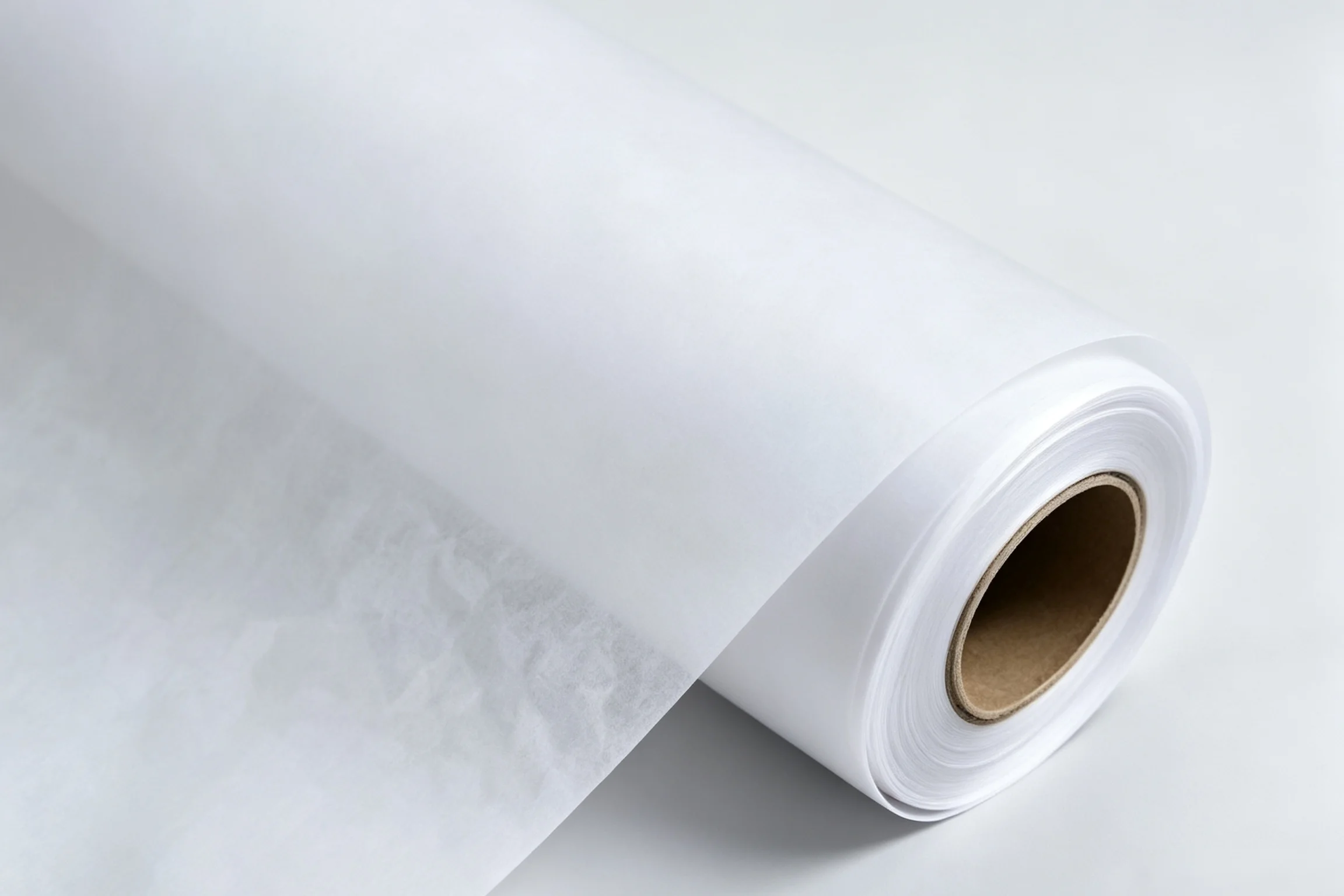
UV DTF technology combines the advantages of UV inkjet printing and transfer films. It first prints patterns onto a specially prepared glue layer (Film A), cures them with UV light, and then laminates them with a transfer film (Film B). When using it, users simply stick the pattern onto the target object's surface like a sticker and peel off the transfer film, leaving the pattern firmly attached to the object.
UV DTF vs. Textile DTF: What are the Core Differences?
Although both contain "DTF" in their names, there are fundamental differences in application logic:
1.Substrate Compatibility: Textile DTF is mainly for soft fabrics like cotton, polyester, and nylon; UV DTF is tailored for hard objects such as glass mugs, stainless steel bottles, electronic products, and gift boxes.
2.Process Simplification: Textile DTF requires a heat press for high-temperature pressing; UV DTF requires no heat press, achieving "peel and stick," which greatly lowers the operational threshold and restrictions on the object being stickered.
3.Visual Effects: UV DTF can achieve 3D embossed effects and partial varnish effects, providing stronger visual impact and high premium potential.
Diversified Application Scenarios: Small Ideas, Big Markets
The application scope of UV DTF covers almost all gift and industrial customization fields:
•Personalized Gifts: Custom water bottles, phone cases, laptop covers, trophies.
•Commercial Signage: Office doorplates, glass wall decorations, display rack labels.
•Industrial Identification: Mechanical equipment nameplates, various control panel labels, with excellent wear resistance and solvent resistance.
Yinmeida UV DTF AB Film: Safeguarding Quality
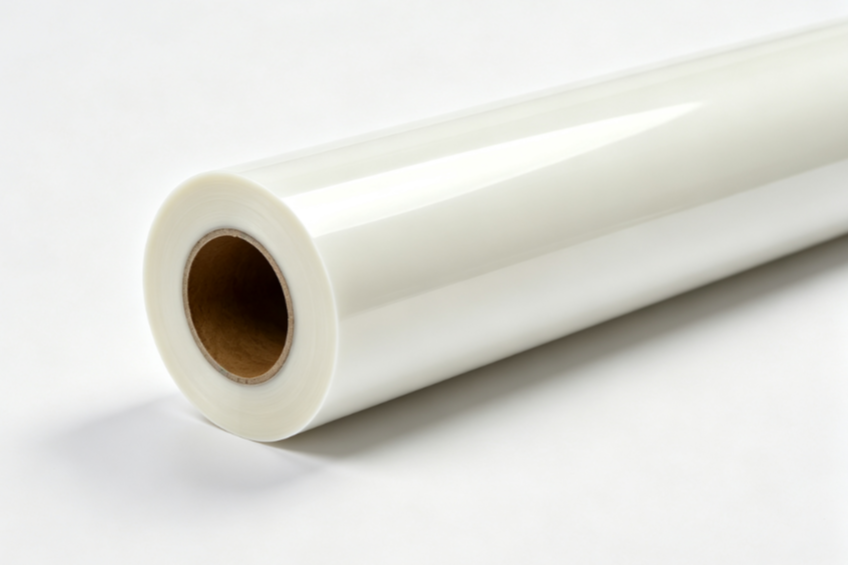
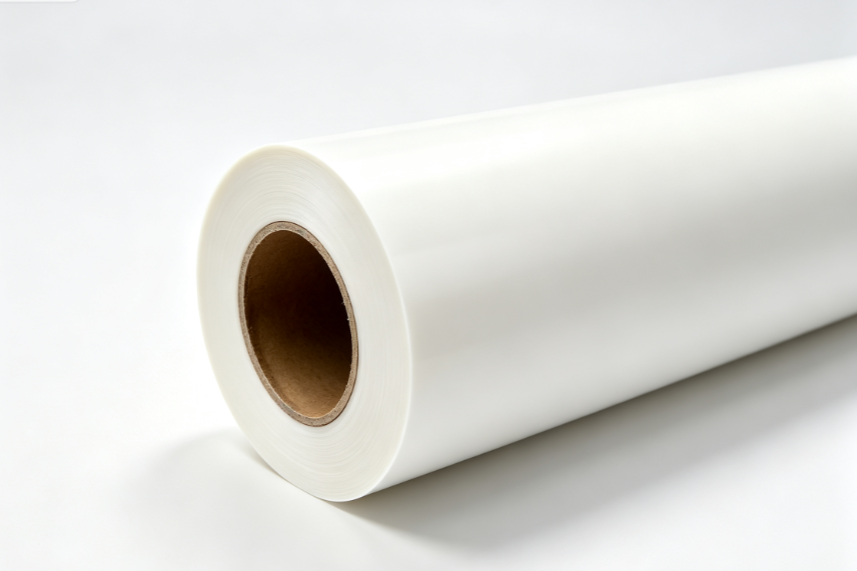
To ensure the durability and beauty of transferred patterns, Yinmeida has invested significant effort in the R&D of UV DTF AB films:
•Super Strong Adhesion: Ensuring patterns can withstand daily friction and washing even on smooth surfaces like glass and metal.
•High Resolution and High Color Gamut: Perfectly reproducing the vibrant colors and micron-level details of UV inks.
•Smooth Application: The release force of Film B is moderate, ensuring pattern integrity even during large-area transfers without leaving residual glue.
Conclusion
The rise of UV DTF technology marks a stage where digital customization is becoming more free and diverse. Yinmeida will continue to dedicate itself to the innovation of high-performance transfer materials, helping global customers break through fabric limitations and create value in the broader hard surface customization market.

.webp)