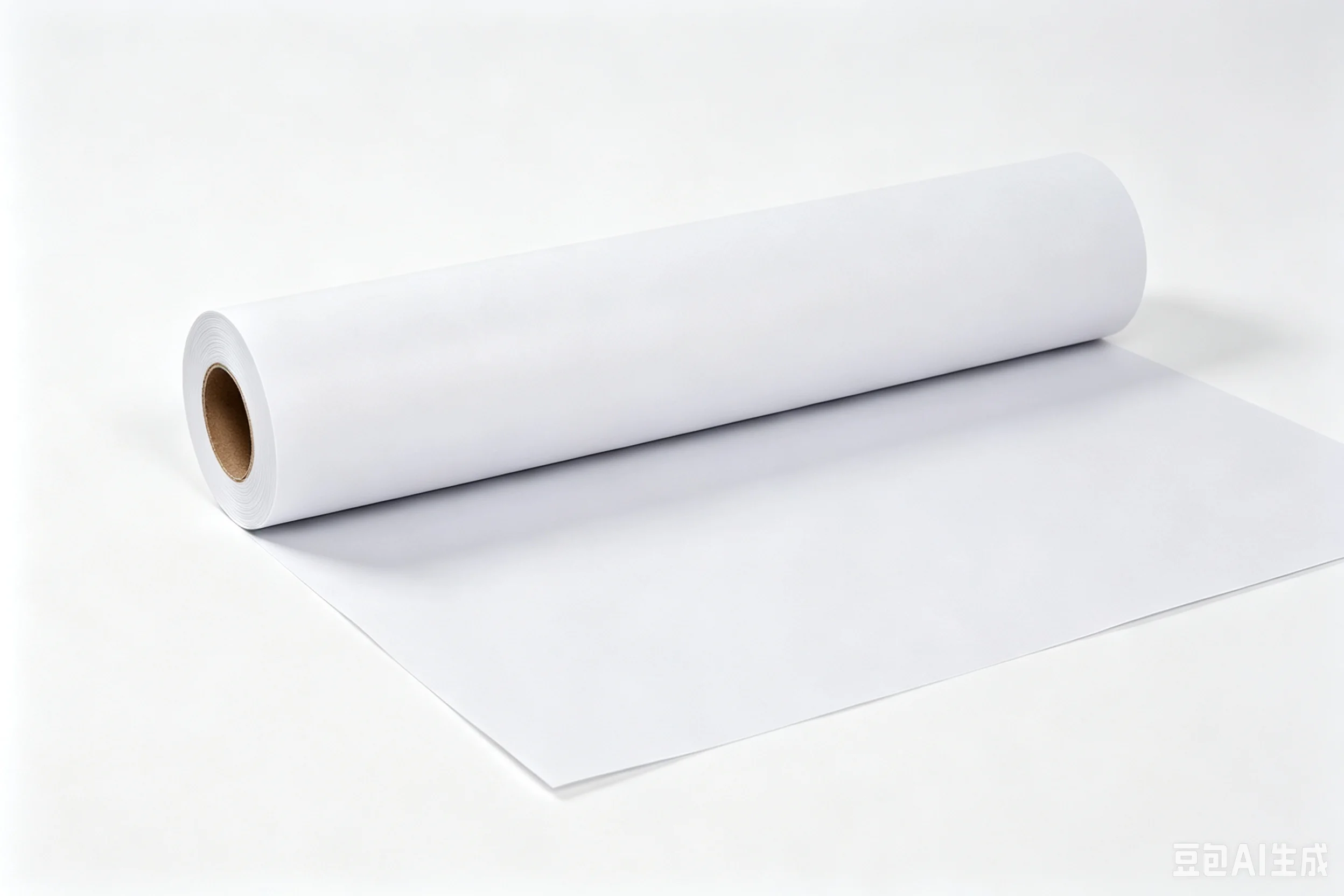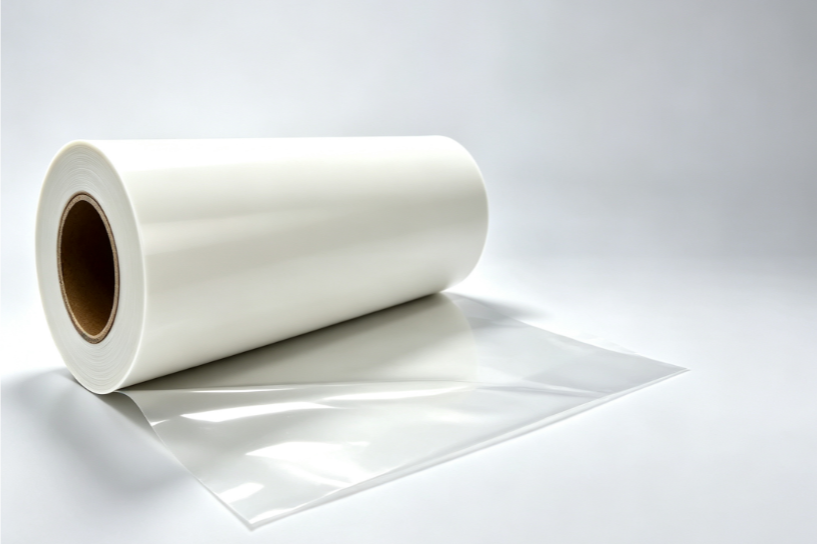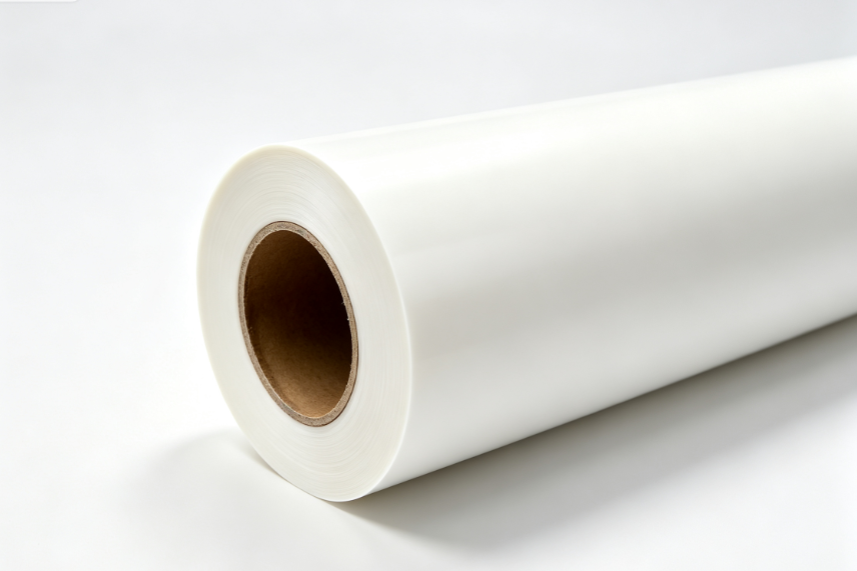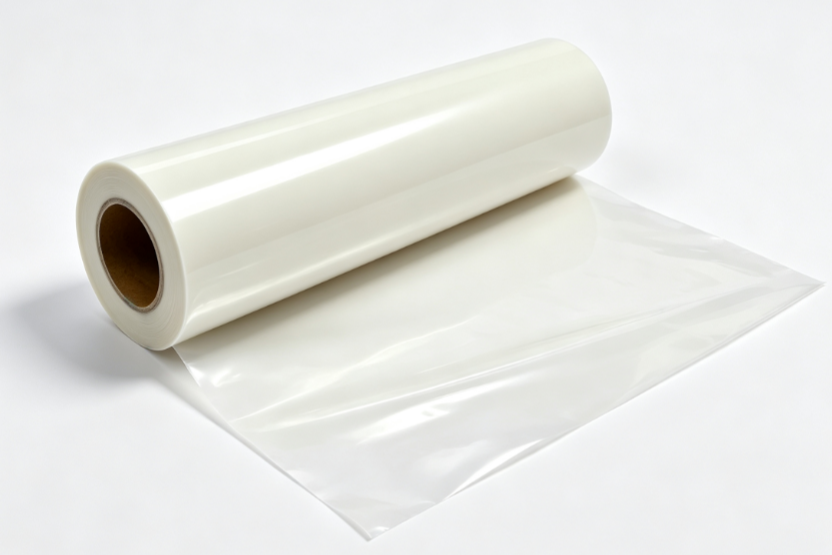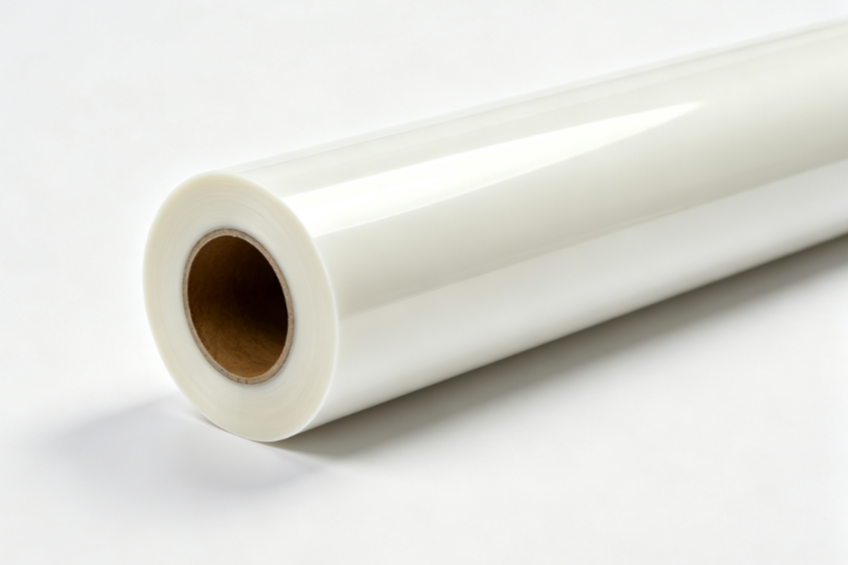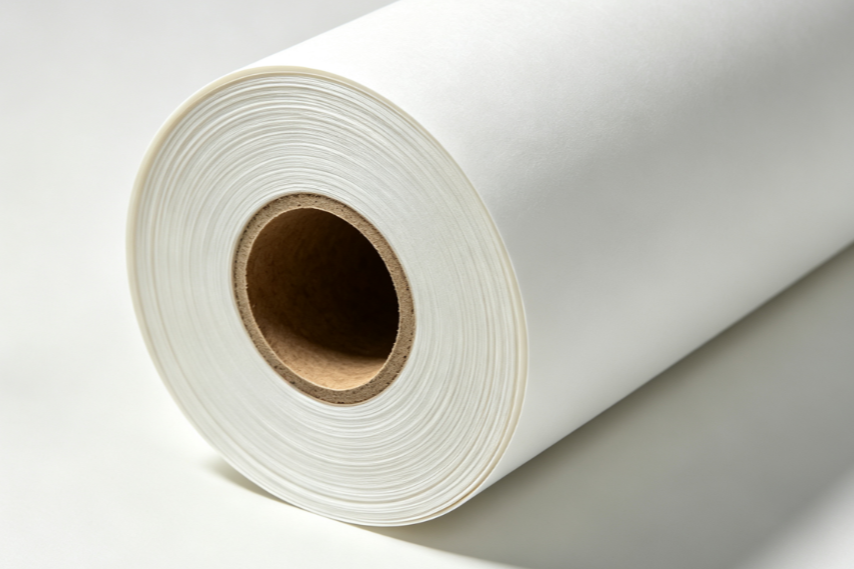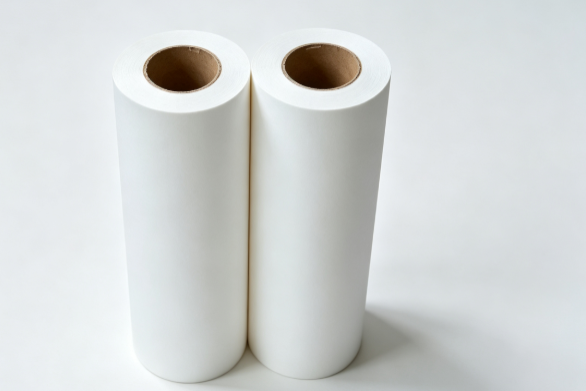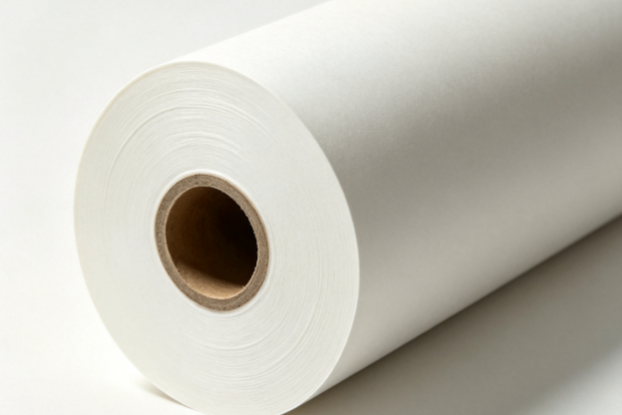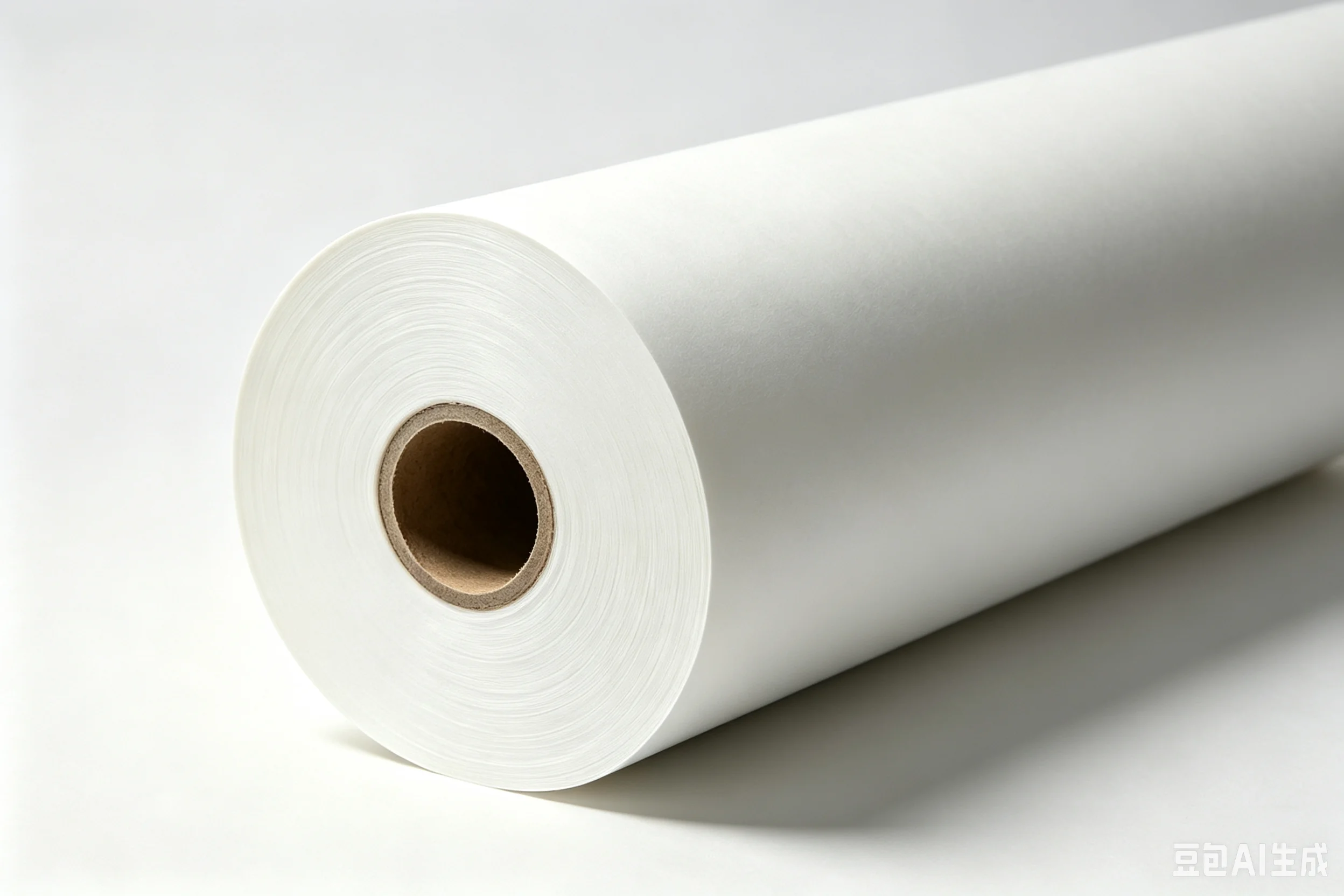
Single-Sided vs Double-Sided DTF Film: Selection Guide

What is single-sided coated DTF film?
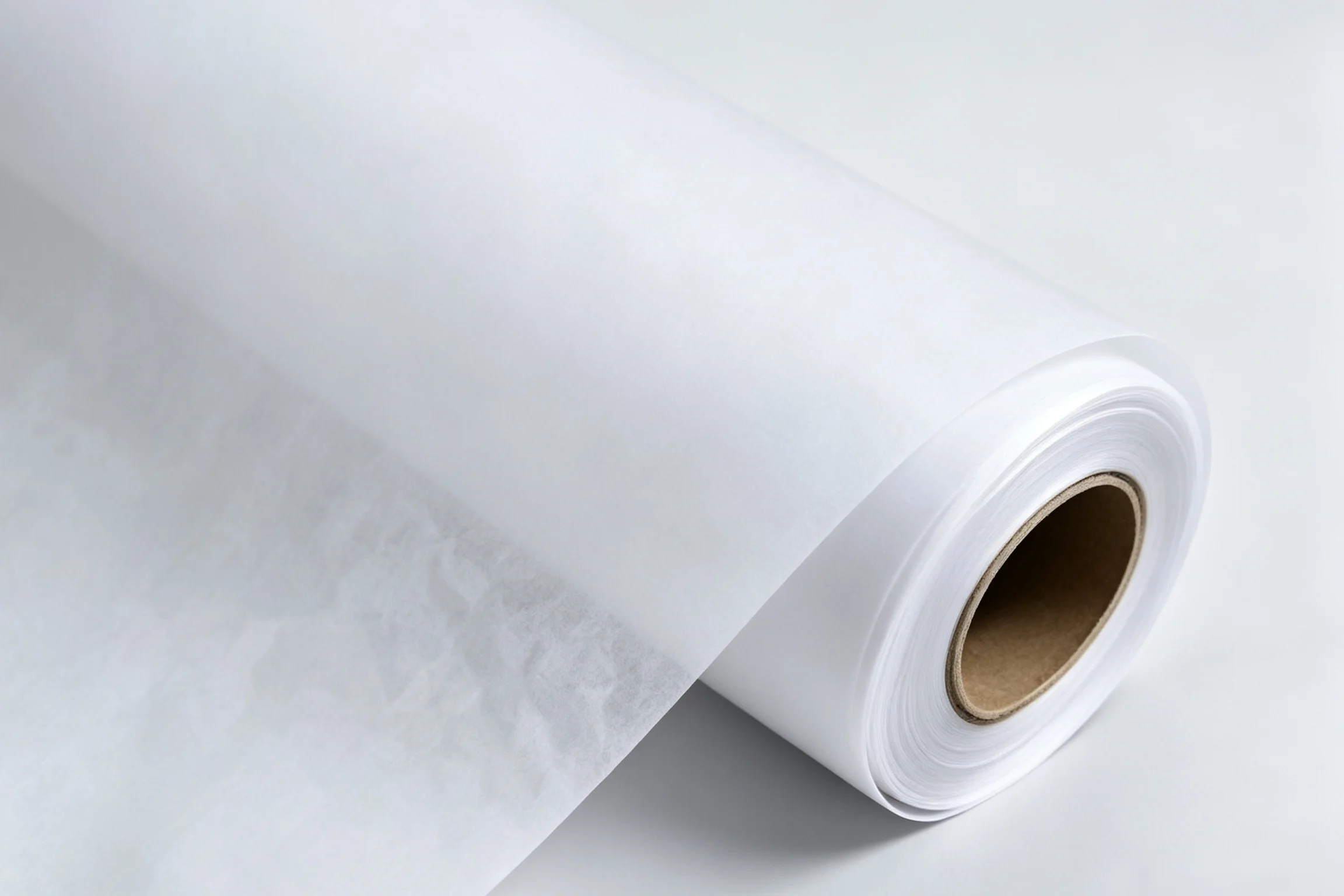
Its primary functional coating is applied to the print side to receive CMYK and white ink and support powder curing, heat pressing and release. The structure is straightforward and is often selected for its broad compatibility and practical cost.
On machines with reliable feeding and in controlled workshops, a qualified single-sided film can serve routine garment graphics and customized production. Buyers should evaluate more than thickness and roll price: ink spreading, drying, excess-powder removal, pressing window and peeling feel all matter.
What is different about double-sided coated film?
In addition to the printable coating, the reverse side normally receives an anti-slip, anti-static or feeding-assistance treatment. Its purpose is not double-side printing but better transport stability on certain printers or under challenging humidity conditions.
It may help when film frequently slips, shifts or arches, or during long continuous runs. However, a second coating does not automatically create sharper prints. Image quality still depends on the printable coating, ink compatibility, RIP settings, powder curing and heat-press control.
Five points for selection
-
Feeding system: If roll transport is consistently stable, single-sided film may be sufficient. If slipping or lateral movement occurs, compare double-sided film under the same settings.
-
Workshop conditions: High humidity can increase sticking, while overly dry air can increase static. Correct temperature, humidity and grounding before treating film type as the only solution.
-
Run length: Short and routine jobs often prioritize cost efficiency. Long runs place more emphasis on flatness, winding quality and lot consistency.
-
Peeling method: Cold-peel film is removed after cooling; hot-peel film can be removed soon after pressing. Peel chemistry is a separate characteristic and should not be inferred from single- or double-sided construction.
-
Total cost: Downtime, waste and rework are part of the real cost. Compare samples using the same artwork, ink, printer and pressing process.
Recommended incoming test
Before bulk purchasing, test a sample roll on the actual production equipment. Record printer and printhead model, ink, workshop humidity, curing conditions, heat-press temperature and time. Include heavy white-ink areas, fine lines, gradients, dark garments and wash testing.
Inspect flatness, edge quality, winding tension, core condition, print-side identification and lot-to-lot consistency in matte appearance and coating response. Importers building inventory should standardize thickness, width, length, single-roll or twin-roll packing and peel system under clear product codes.
Common misconceptions
-
Double-sided film does not mean both sides are printable.
-
A thicker film is not automatically a better film.
-
Film is not the cause of every defect; ink, ink volume, curing, pressing and climate also matter.
-
A successful short sample should still be followed by continuous-run and wash validation.
FAQ
Which film is better for a trial order? If feeding is stable, start with single-sided film. If anti-slip, static control or long-run feeding is a concern, test both under identical conditions.
Does double-sided coating improve color? The backside treatment mainly supports handling and feeding. Color depends primarily on the printable coating, ink, color management and curing.
How can I identify the print side? Follow the package marking and supplier instructions rather than relying only on touch. Keep the direction label after opening.
Are custom sizes available? YINMEIDA routinely supplies 0.3 m × 100 m and 0.6 m × 100 m. Other widths and packing methods can be confirmed based on quantity and production requirements.